


Struggling to keep your social media posts consistent and engaging? You’re not alone.
For many brands, organizing content and staying relevant can feel overwhelming. Content pillars can change that—they provide a clear structure to guide your posts so they align with your brand, all while resonating with your audience.
But what exactly are content pillars, and how do you create them?
In this guide, we’ll define social media content pillars, their potential benefits, and how you can create pillars that will work best for your business.
What Are Social Media Content Pillars?
Social media content pillars are the main themes or categories that guide the type of content you share online. They’re like the building blocks of your strategy that give the structure and purpose of your post.
Instead of just posting whatever comes to mind, these pillars help you focus on topics that matter to your audience and align with your brand. Think of them as your go-to topics that keep your content consistent and meaningful without feeling scattered or random.
For example, imagine you’re running a fitness brand. Your social media content pillars could look something like this:
- Educational tips
- Motivational content
- Behind-the-scenes
- Customer spotlights
- Promotional posts
When you stick to these pillars, your followers will know what to expect and stay engaged. Plus, it helps you stay consistent while covering all the important aspects of your brand. However, the advantages don’t stop there.
What Are These Pillars For?
Social media content pillars aren’t just about staying organized—they offer real benefits that can transform how you manage your content strategy. Let’s break it down:
Build a Recognizable Brand Presence
Ever scroll through social media and instantly know a post belongs to your favorite brand? That’s because they prioritize consistency.
Content pillars help you achieve this by keeping your tone, style, and message on point, no matter where you’re posting—be it Instagram, LinkedIn, or TikTok. When your audience recognizes your posts at a glance, it creates a sense of familiarity and trust.
Over time, this builds a stronger connection with your followers and reinforces your brand’s identity.
Plus, having clear pillars makes every post feel purposeful, not like it’s coming out of left field.
Save Time and Energy
Content pillars are a huge time saver when it comes to planning your social media. Instead of staring at a blank screen wondering what to post, you’ll already have clear themes to guide you. This means less time spent scrambling for ideas and more time creating content that actually resonates with your audience.
With your focus areas mapped out, planning your posts becomes quicker and way less stressful. It’s much like having a content roadmap that keeps you on track, helping you avoid the dreaded “What do I post today?” panic.
Speak Your Audience’s Language
When your content reflects what your audience cares about, it stops feeling like marketing and starts feeling personal.
Content pillars guide you in creating posts that align with their interests, goals, and challenges. This approach shows your audience you’re paying attention, which builds trust over time. Instead of scrolling past, they’ll pause, engage, and maybe even start a conversation.
Keep Things Fresh and Varied
Feeling like you’re posting the same thing over and over? Content pillars help you avoid that trap by creating a mix of topics on your feed.
With a variety of themes to work from, your content stays engaging and relevant, offering something for everyone in your audience. This balance keeps your followers interested while making sure you cover all the bases, whether it’s educational posts, behind-the-scenes moments, or user-generated content.
By rotating between your pillars, you reduce the risk of content fatigue and keep your social media presence dynamic and exciting.
Stay Organized and Focused
Keeping track of social media can get messy fast. Between planning posts and managing multiple platforms, it’s easy to feel all over the place.
Content pillars help bring order to the chaos by giving you a clear structure to work from. They make sure your content stays on-brand and aligned with your goals.
Plus, if you’re part of a team, they make collaboration a whole lot easier—everyone knows what to focus on. With pillars guiding your strategy, your team will spend less time scrambling for ideas and more time creating posts that actually matter.
How to Create Content Pillars For Your Social Media Strategy
Content pillars can be an invaluable tool for social media optimization. But how do you go about making one?
Building content pillars doesn’t have to be complicated, but it does require a lot of thought. To make things easier for you, we’ve created a step-by-step guide to help you develop content pillars specific to your brand’s needs:
1. Look at Your Brand’s Mission and Values
What does your brand stand for?
Your brand values and mission are more than just statements—they’re what make your brand unique. They should guide everything you post on social media.
Think about what you want people to know about your business. Is sustainability your focus? Maybe one of your pillars could include eco-friendly tips or highlight products that support a greener lifestyle.
If innovation is your thing, you could create pillars around showcasing new ideas, sharing behind-the-scenes moments, or exploring industry trends.
The key is to make sure your pillars reflect what your brand truly stands for. When your content is rooted in your mission and values, it feels more genuine and resonates better with your audience.
2. Identify Your Target Audience
Knowing who you’re talking to is one of the most important steps in creating effective content pillars. Your target audience shapes the tone, style, and type of content you share.
Without a clear understanding of your audience, your posts might miss the mark, no matter how creative they are.
Here’s how to identify your target audience:
- Demographics: Start with basics like age, gender, location, education level, and job roles. These details give you a foundational understanding of your audience.
- Interests and hobbies: What topics do they care about? Whether it’s fitness, tech, or travel, knowing their interests helps you create content that grabs their attention.
- Challenges and goals: Understand the problems they’re trying to solve and the goals they want to achieve. Your content should provide solutions or inspiration.
- Social media behavior: Which platforms do they use most? What type of posts do they engage with—videos, infographics, or long-form content?
- Values: Identify what matters to them. Are they drawn to brands that prioritize sustainability, innovation, or community impact?
Use tools like analytics, surveys, keyword research, and direct feedback to gather insights. Then, combine this information into clear profiles that guide your strategy so your content aligns with their needs and interests.
3. Workshop Content Themes and Categorize Them Into Pillars
Now that you’ve built detailed customer personas, it’s time to turn all that knowledge into action.
Understanding who your audience is and what they care about gives you a strong foundation, but the next step is figuring out the themes that will shape your content. This is where your pillars start to take form.
Try a brainstorming session where you pull together all the insights from your personas and start identifying key themes that align with your audience’s interests, goals, and values. What themes will keep them coming back for more? What kinds of content can educate, entertain, or inspire them?
Group these ideas into 3–5 main categories—your content pillars. These might include educational tips, behind-the-scenes glimpses, or customer success stories. The goal is to create a balance of themes that resonate with your audience and reflect your brand’s mission.
Once you’ve categorized your themes, you’ll have a clear structure to guide your posts. This process helps make sure your content is varied, relevant, and purposeful while also making your social media strategy easier to manage.
If you’re not exactly sure what a content pillar looks like, don’t worry. We’ll get to the examples later.
4. Brainstorm Subtopics Under Each Content Pillar
With your content pillars in place, it’s time to drill down into the details by brainstorming subtopics for each one. These add variety and depth to your content. Subtopics help your posts stay fresh while staying true to the main themes you’ve identified.
Start by revisiting each pillar and asking yourself: What specific ideas or angles could fall under this theme? For example, if you have an educational content pillar, you might add:
- FAQs
- How-to guides
- Expert tips
- Myth busting
- Research and analysis
Don’t overthink it—this is the time to get creative. Write down as many ideas as you can and organize them into smaller groups under each pillar. These subtopics will act as your content roadmap, which can give you a clear direction for what to post and keep your feed dynamic and engaging.
5. Plan Your Content Calendar Based on These Pillars
You’re almost there! Now that you have your content pillars and subtopics, it’s time to bring them to life by creating a content calendar.
Start by deciding how frequently you’ll post. Consistency is key, so aim for a schedule you can realistically maintain—whether that’s daily, a few times a week, or even bi-weekly.
Next, map out your posts using your content pillars. A balanced approach works best, so rotate between your core themes to keep your feed fresh. For example:
- Monday: Educational post (tips or how-to guides)
- Wednesday: Behind-the-scenes look
- Friday: Engaging post like a poll or quiz
- Sunday: Customer story or testimonial
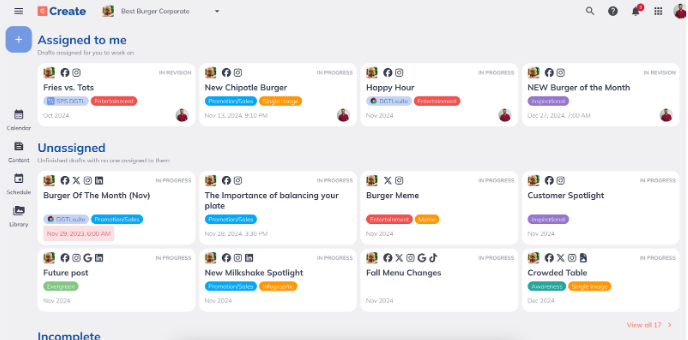
Use tools like Google Calendar, spreadsheets, or a social media management platform like DGTLsuite to stay on track. Leave some flexibility for trending topics or timely updates, but keep your core structure intact.
6. Start Creating Content
With your content calendar in hand, it’s time to dive into creating posts that bring your strategy to life. Use your content pillars and subtopics as a guide to make sure every piece of content aligns with your goals and resonates with your audience.
Start by focusing on quality over quantity. Tailor your posts to your audience’s preferences, whether that means crafting engaging captions, designing eye-catching visuals, or producing quick, informative videos. Don’t forget to keep your brand’s voice and tone consistent across all platforms.
Batch-creating content can save time and help you stay ahead of schedule. Set aside time to write, design, or film multiple posts at once so you’re always prepared.
Finally, experiment with different formats and styles. Test what works best with your audience and refine your approach as you go. Starting is half the battle—now it’s about creating relevant and engaging content.
7. Track Your Results and Adjust Accordingly
Once your content is live, the work isn’t over. Tracking your performance is essential to understanding what resonates with your audience and refining your strategy over time.
Use analytics tools on social media platforms like Instagram, Facebook, or LinkedIn to monitor key metrics such as engagement, reach, clicks, and conversions.
Pay attention to which posts perform well and why. Did an educational post get more shares, or did a behind-the-scenes story spark more comments? Look for patterns to identify what your audience loves.
Don’t be afraid to pivot if something isn’t working. If a particular pillar isn’t connecting, revisit your subtopics or experiment with a different format.
Schedule regular check-ins—weekly or monthly—to evaluate your results. This helps you stay proactive and make adjustments based on data, not assumptions. Tracking and tweaking help make sure your content stays relevant and continues to deliver value to your audience.

Popular Examples of Content Pillars
If you’re unsure where to start, looking at common content pillars can give you some inspiration. Here are some popular categories that brands often use to structure their social media strategy:
1. Educational Content
Educational content is your chance to provide real value to your audience by teaching them something useful or interesting. This kind of content builds trust and positions your brand as an expert in your field.
- How-to guides and tutorials: Step-by-step instructions that show your audience how to accomplish something, whether it’s using your product or tackling a common challenge in your industry.
- Quick tips and tricks: Bite-sized, actionable advice your followers can use right away. These are great for keeping your content short, sweet, and shareable.
- Industry insights and trends: Share updates about what’s happening in your niche. This not only keeps your audience informed but also positions your brand as a thought leader.
- FAQs or myth-busting posts: Address common questions or misconceptions your audience might have. It’s a practical way to engage while clearing up any confusion.
By including an educational content pillar, you’re giving your audience something valuable they can take away, which, in turn, makes your brand a resource they trust and turn to repeatedly.
2. Behind-the-Scenes Content
Behind-the-scenes content gives your audience a glimpse of the people, processes, and personalities that make up your brand.
It’s a powerful way to humanize your business and build a deeper connection with your followers. People love feeling like they’re getting an exclusive look at what happens behind the scenes—it builds trust and adds authenticity to your social media presence.
You can share a “day in the life” of your team to show what a typical workday looks like. Whether it’s a fun office moment or a peek into remote setups, these insights make your brand feel more relatable.
Sneak peeks of upcoming projects are another great option, letting your audience get excited about what’s in the works, whether it’s a new product, feature, or campaign.
Highlighting your company culture or values can also create a strong connection. Share stories about team achievements, community involvement, or moments that reflect your mission to show the heart of your business.
By offering these behind-the-scenes looks, you make your brand more approachable and relatable, fostering a sense of connection that keeps your audience engaged.
3. Customer-Focused Content
Customer-focused content puts the spotlight on the people who matter most—your audience. It’s about celebrating their stories, showcasing their experiences, and letting them share how your brand has made a difference in their lives.
- Testimonials and reviews: Highlight positive feedback from your customers. Whether it’s a simple quote or a detailed review, these authentic endorsements can inspire trust in potential customers.
- Case studies highlighting success stories: Share in-depth stories about how your product or service solved a problem or helped a customer achieve their goals. These real-life examples add credibility to your brand.
- User-generated content: Feature content your customers create, such as photos, videos, or social media posts showing your product in action. It’s relatable and encourages others to get involved.
Customer-focused content shows your audience that their voices matter, creating a stronger emotional connection and encouraging others to become part of the story.
4. Engaging Content
Engaging content revolves around sparking conversations and building relationships with your audience. It invites them to interact with your posts, making your social media presence feel more like a two-way street rather than just a broadcast.
When done right, engaging content can boost visibility, encourage loyalty, and create a sense of community around your brand.
- Polls and quizzes: These are quick and fun ways to grab attention while learning more about your audience. Whether it’s a “Which product suits you best?” quiz or a poll asking for opinions on a topic, they keep your followers involved.
- Fun challenges: Challenges are a great way to encourage participation. Think hashtag challenges or activities your audience can easily join in, share, and tag friends.
- Open-ended questions or discussions: Start a conversation with thoughtful questions. For example, “What’s the biggest challenge you face in [your niche]?” or “What’s a goal you’re excited to work on this year?” These posts let your audience share their thoughts and feel heard.
Engaging content does more than just boost likes—it helps build meaningful connections. It turns passive followers into active participants and strengthens your brand’s relationship with its audience.
5. Promotional Content
Promotional content is a great way to showcase your products or services, but it’s important to keep things balanced.
You want to highlight your offerings without overwhelming your audience with ads. To make it work, focus on keeping your posts creative, engaging, and relevant to your audience’s interests.
Share announcements for sales or discounts with bold, clear visuals that grab attention. Add urgency to encourage quick action.
For product launches or updates, build excitement by teasing the new offering before the big reveal. Limited-time offers, or giveaways can also generate buzz, whether it’s a flash sale or a fun contest.
When done right, promotional content doesn’t feel pushy—it feels exciting. Mix it in with your other content pillars to keep your feed fresh and balanced, which should help make sure your audience stays engaged while learning more about what you offer.
DGTLsuite Aligns Your Pillars With Your Social Media Content Strategy

Content pillars give your social media strategy structure, focus, and consistency, but managing them across multiple social media channels can be a challenge.
Staying organized, fostering healthy collaboration, and tracking performance all require the right approach—and the right tools.
Luckily, you’re just in the right place. DGTLsuite offers a solution to simplify your workflows—all of them.
DGTLsuite helps you align your pillars by offering practical features for planning, scheduling, and managing your content. You can organize posts using calendar or list views, collaborate effortlessly with your team, and track performance with detailed analytics.
It even centralizes user-generated content and creative assets, so everything you need is in one place.
This platform isn’t about overcomplicating your process. It’s about helping you focus on what matters: creating meaningful content and building engagement.
If you’re ready to simplify your social media management, schedule a discovery call to see how it fits into your strategy!
FAQs About Social Media Content Pillars
What are the 5 pillars of social media?
The five pillars of social media typically refer to the key elements of an effective strategy: listening to your audience, engaging with them, sharing valuable content, analyzing performance, and improving based on insights.
What are the 7 C’s of social media?
The 7 C’s stand for content, community, conversation, connection, consistency, creativity, and collaboration. These principles guide how you create and share content while building meaningful relationships with your audience.
What are the 5 P’s of social media?
The 5 P’s are plan, produce, publish, promote, and perfect. They outline the process of creating and managing content, from initial strategy to refining your approach based on results.
What are the four C’s of social media content?
The four C’s are create, curate, connect, and communicate. Together, they emphasize the importance of producing original content, sharing relevant resources, engaging with your audience, and maintaining a clear brand voice.
How can you manage your social media presence effectively?
To manage social media effectively, start with a clear strategy and defined goals, like increasing engagement or building brand awareness. Use a content pillar strategy to stay organized and a calendar to schedule posts in advance. Tools like DGTLsuite can help streamline scheduling, track performance, and manage interactions in one place. Engage with your audience regularly and use analytics to monitor what works, adjusting your approach as needed for the best results.